Condensation on Windows: Causes & Fixes
TL;DR
Condensation forms when warm, moist indoor air touches a cold surface. Windows are the coldest surface in most rooms, so they show it first. The fix is a combination of producing less moisture, removing what you do produce with extractor fans and trickle vents, and running the heating steadily rather than in short bursts. Persistent condensation on internal walls, not just glass, points to a colder problem worth investigating properly.
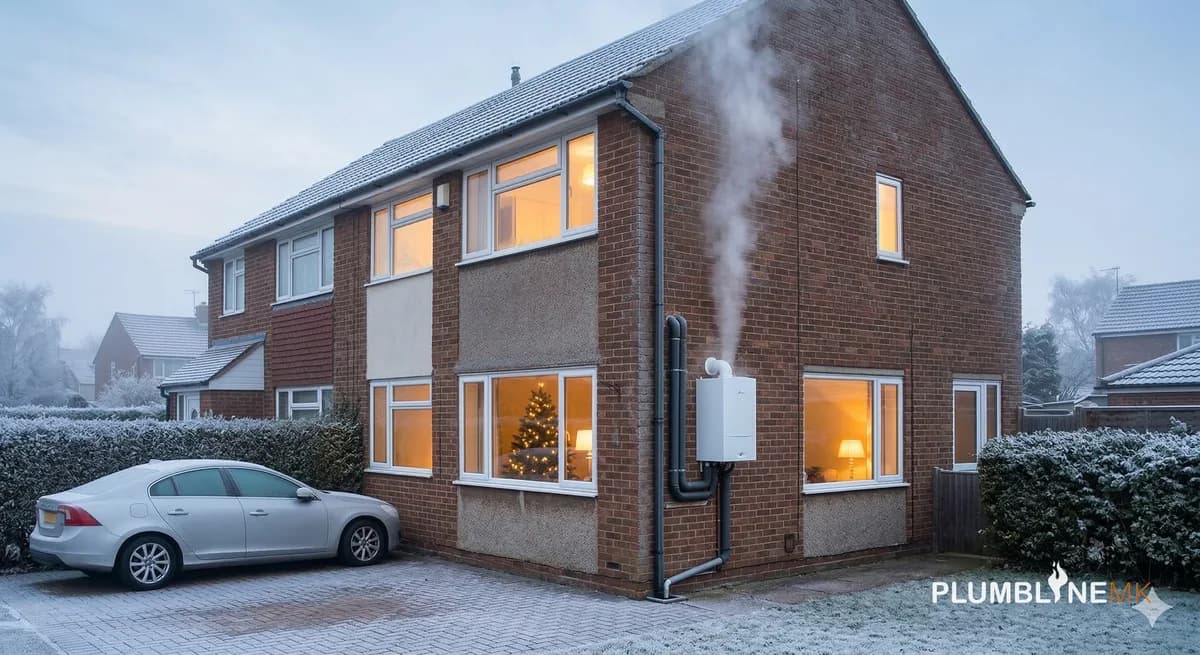
Waking up to windows running with water is one of the most common winter complaints we hear, and it is almost always misdiagnosed. People assume the windows are faulty. They rarely are. Condensation is a symptom of the relationship between three things — how much moisture is in the air, how warm the air is, and how cold the surface is that the air touches.
Why It Happens
Warm air holds more water vapour than cold air. When air at 20°C carrying a normal household moisture load touches a pane of glass sitting at 8°C, it cools instantly, and at some point it hits its dew point — the temperature at which it can no longer hold the water it is carrying. The excess has to go somewhere, so it deposits on the glass.
Glass is simply the first place it shows up because it is the coldest large surface in the room. If you are seeing it there, the same thing is happening at a smaller scale behind wardrobes on external walls, in the corners of rooms, and around window reveals. The window is a warning light, not the fault.
Where the Moisture Comes From
A household of four generates a surprising volume of water vapour every day, from a handful of ordinary activities:
- Breathing and perspiring. Simply being at home overnight adds a meaningful amount, which is why bedroom windows are usually the worst in the morning.
- Cooking. Boiling pans without a lid, and without the extractor running, push a great deal of vapour into the room.
- Showering and bathing. The single biggest short burst of moisture in most homes.
- Drying clothes indoors. A full load dried on a rack releases litres of water into the air over a day or two. This is the one people most often overlook.
- Unvented tumble dryers. A condenser dryer is fine; a vented one discharging into the room is not.
None of this is unusual, and none of it is the homeowner doing something wrong. The problem arises when a house has been made more airtight — new double glazing, draught proofing, loft insulation — without the ventilation being improved to match. The moisture used to leak out through gaps. Now it does not.
Why Modern Homes Get It Worse
There is a genuine irony here. Older, draughtier houses were expensive to heat but they ventilated themselves constantly through ill-fitting windows and open chimneys. Retrofitting insulation and sealed glazing cuts heat loss dramatically, which is exactly what the Energy Saving Trust recommends for lowering bills — but unless controlled ventilation goes in at the same time, the moisture that used to escape now stays inside.
This is why condensation complaints often start immediately after a window replacement or an insulation upgrade. The house did not get damper. It got tighter.
The Fixes, Cheapest First
1. Produce Less Moisture
Put lids on pans while cooking. Dry washing outside where possible, or in a room with the door shut and the window open a fraction. If you must dry indoors regularly, a dehumidifier in that one room costs very little to run and removes the water at source.
2. Remove It Where It Is Made
Run the bathroom extractor during the shower and for fifteen to twenty minutes afterwards — most people turn it off far too early. Same in the kitchen. If the fan is old, weak, or noisy enough that nobody uses it, replacing it is one of the highest-value small jobs in the house.
Open the trickle vents at the top of your window frames. They exist for exactly this reason and are very frequently found closed.
3. Heat More Steadily
This is counter-intuitive, so it is worth being clear about. Short blasts of heat warm the air but not the fabric of the building. The walls and glass stay cold, and condensation continues. A lower, steadier temperature through the day keeps surfaces warmer, and warmer surfaces do not reach the dew point.
Getting this right is largely a controls problem. A properly configured room thermostat and correctly set thermostatic radiator valves let you keep bedrooms at a sensible baseline rather than swinging between freezing and roasting. Our guide to choosing a smart thermostat covers the controls side in more detail.
4. Do Not Seal Cold Rooms Off
Turning a radiator fully off in a spare room and closing the door is a reliable way to grow mould in that room. The moisture still migrates in from the rest of the house; there is now nothing keeping the surfaces above dew point. Leave a low background heat instead.
When It Is Not Condensation
Condensation is diagnosable by pattern. It appears on cold surfaces, is worst in the morning, worst in winter, and worst in bedrooms, bathrooms and kitchens. If instead you have a damp patch present all year, or one that is worse after rain, or one at the base of a wall with a tide mark, you are looking at penetrating or rising damp and the advice on this page will not fix it.
Similarly, a persistent damp patch on a ceiling below a bathroom, or around pipework, is a leak. Our guide on finding a water leak walks through how to isolate it.
The Health Angle
It is worth taking seriously rather than living with. Prolonged condensation leads to black mould, and the NHS is clear that damp and mould can affect the respiratory system, particularly for children, older people, and anyone with asthma or a weakened immune system. Wiping mould off is not a solution if the conditions creating it are unchanged.
Tenants should be aware that responsibility here is shared. The occupier is expected to ventilate and heat reasonably; the landlord is responsible for the building being capable of it — working extractor fans, functioning heating, no structural damp.
What We Would Check on a Visit
When we get called about condensation, the heating side of the diagnosis usually comes down to a short list. Is the system actually capable of heating the affected rooms — are the radiators the right size for the space? Are they all getting hot, or is the system unbalanced and starving the far end of the house? Are the controls set up to run a steady background temperature, or is everything on a crude timer? Is there a working extractor in the bathroom, and does it vent outside rather than into the loft?
Undersized radiators are more common than people expect, particularly in extensions and converted rooms. Our radiator sizing guide shows how to check whether the ones you have are up to the job.
Frequently Asked Questions
Should I open windows in winter even though it wastes heat?
Yes, briefly. Five to ten minutes of wide-open windows creates a rapid air change without cooling the walls and furniture much. That costs far less heat than leaving a window on the latch all day.
Will a dehumidifier fix it?
It will manage the symptom effectively and is genuinely useful in a room where washing is dried. It does not address underlying ventilation problems, and it is not a substitute for a working extractor fan.
Why is it only on some windows?
Those rooms are either colder, less ventilated, or generating more moisture. North-facing bedrooms with the door shut overnight are the classic case.
Is condensation between the panes the same problem?
No. Moisture inside a sealed double-glazed unit means the seal has failed and the unit needs replacing. Nothing to do with heating or ventilation.
Does turning the heating up fix it?
Higher temperatures for short periods often do not. Steadier, longer, lower-temperature heating usually does, because it warms the surfaces rather than just the air.
Getting It Looked At
If the heating side is the weak link — cold rooms, unbalanced radiators, controls that cannot hold a steady temperature — that is fixable and it is what we do. Our Gas Safe registered engineers can assess the system, check radiator sizing and balance, and set up controls that keep surfaces above dew point without pushing your bills up. Call 07805 844 016 or get in touch.
Need Professional Advice?
Our Gas Safe registered engineers are ready to help with all your heating needs. Get a free, no-obligation quote today.