Why Use a Gas Safe Registered Engineer (and How to Check)
TL;DR
Anyone who works on a gas appliance, fitting or pipe in your home must by law be on the Gas Safe Register. It replaced CORGI in 2009 and is run on behalf of the HSE. Check the engineer's ID card, then confirm the licence number on gassaferegister.co.uk or by phone, and make sure the card lists the type of work you need. Unregistered work risks carbon monoxide, voided insurance and warranties, and prosecution.
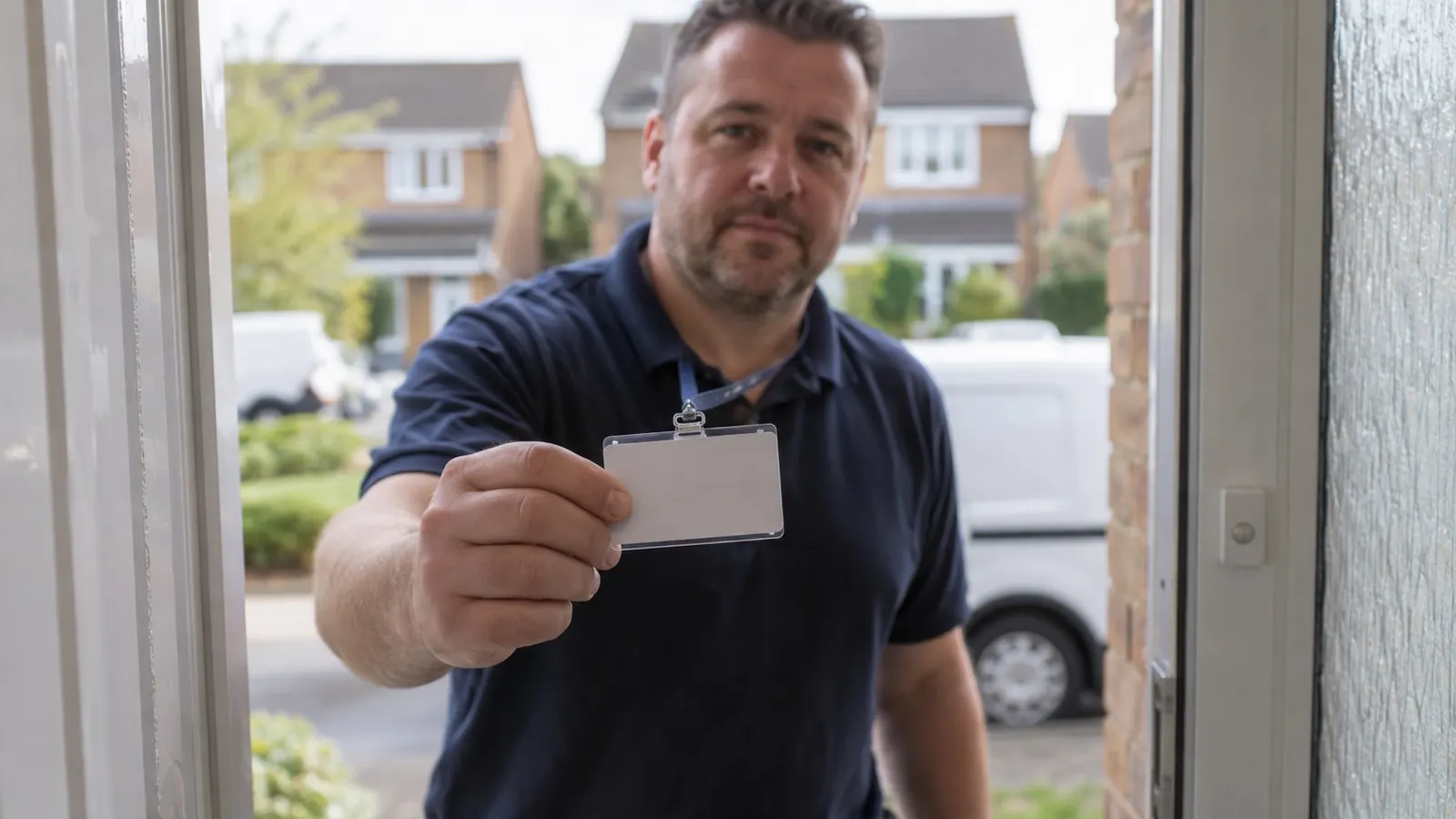
When you need gas work done, going with the cheapest quote is a natural instinct. With gas it is the one place not to cut corners. Carbon monoxide poisoning, gas escapes and fires are the documented results of badly done gas work, and they happen in ordinary houses every year. Gas Safe registration exists for one reason, which is to make sure the person touching the gas in your home has proven they know what they are doing.
This guide covers what the register is, what the law actually says, how to check an engineer in under a minute, and what to do if you suspect work in your home was done by someone who should not have done it.
What the Gas Safe Register is
The Gas Safe Register is the official list of businesses and engineers legally permitted to work on gas in Great Britain, the Isle of Man and Guernsey. It replaced CORGI on 1 April 2009 and is run on behalf of the Health and Safety Executive. It is the only gas registration recognised in law.
To be on it, an engineer must hold current gas qualifications (the ACS scheme is the usual route), work for a registered business, and be reassessed at regular intervals. Registration is granted by category. An engineer can be qualified for domestic boilers and central heating but not for cookers, gas fires, or LPG. A genuine engineer only does the work they are individually registered for, and the register lets you confirm exactly that.
What the law says
Under the Gas Safety (Installation and Use) Regulations 1998, it is a criminal offence for anyone not on the Gas Safe Register to carry out work on a gas appliance, fitting or pipe. That covers installing, servicing, repairing, moving, commissioning and disconnecting. There is no DIY exemption and no "small job" loophole. Disconnecting a cooker to redecorate counts.
The person who does illegal gas work faces the heaviest penalties, including fines and, in serious cases, imprisonment. Homeowners who knowingly commission unregistered gas work can also be prosecuted, and "I did not know" is a weak position when a check takes a minute. Landlords have a specific legal duty on top: gas appliances and flues in a rented property must be checked every year by a registered engineer, with a record kept and a copy given to the tenant. See our guide to the landlord gas safety certificate for the detail.
The real risks of an unregistered fitter
- Carbon monoxide. A badly fitted flue, the wrong gas pressure or poor combustion can put CO into the house. You cannot see it, smell it or taste it. This is the risk that matters most.
- Gas escapes. Poorly made joints and untested pipework leak. In rare cases that means fire or explosion.
- Voided warranty. Every major manufacturer, including Worcester Bosch and Vaillant, requires installation and annual servicing by a Gas Safe registered engineer. One unregistered visit and a ten or twelve year warranty on a new boiler is gone.
- Invalid insurance. If a fire, flood or gas incident is traced to unregistered work, your home insurer can refuse the claim.
- No Building Regulations notification. A registered engineer notifies a new boiler to Building Control through Gas Safe and you receive a compliance certificate. An unregistered fitter cannot do this.
- A stuck house sale. Buyers' solicitors ask for gas paperwork. Missing or invalid certificates hold up or collapse sales.
- No comeback. If the work is wrong, an unregistered person has no professional standing, no traceable registration and often no insurance to put it right.
How to check an engineer in under a minute
Do both steps. The card alone is not enough, because cards can be borrowed, expired or forged.
- Step 1: ask for the Gas Safe ID card. Every registered engineer carries one and expects to be asked. The front shows a photo, the engineer's name, a seven-digit licence number, start and expiry dates and a hologram. Check the photo matches the person and the card is in date.
- Step 2: turn it over. The back lists the categories of gas work the engineer is qualified for, each with its own expiry date. If they are here to fit a boiler, domestic boilers must be on the list and in date. Registered does not mean registered for everything.
- Step 3: confirm on the register. Go to gassaferegister.co.uk (check the address, there are lookalike sites) and use the check-an-engineer tool. Enter the licence number for an exact match, or search by business name or postcode. The name, business and categories should line up with the card. You can also ring the register on 0800 408 5500 and read the number out.
If the card has expired, the categories do not cover the job, or the register does not match, do not let them start. A genuine engineer's details line up every time. Anyone who gets defensive about being checked has told you what you need to know.
Still being told "CORGI registered"?
CORGI was the old scheme. It has not been the gas registration body since April 2009. Rogue traders still use the name because some homeowners remember it and it sounds official. If anyone tells you today that they are CORGI registered for gas, treat it as a warning sign and ask for the Gas Safe card.
Which jobs need a Gas Safe engineer
Any of the following, in any home:
- Boilers: installing, replacing, removing, servicing, repairing or commissioning.
- Gas safety checks, including the annual landlord certificate.
- Cookers, hobs and ovens: fitting or disconnecting.
- Gas fires and flues: installing or repairing.
- Gas pipework: moving, extending or capping.
Things that do not involve gas do not need registration: bleeding a radiator, topping up boiler pressure at the filling loop, changing a tap or a toilet. The gas meter itself belongs to the network operator. Electric boilers need an electrician, not a Gas Safe engineer, and heat pumps need an MCS certified installer, which is a separate scheme. A Gas Safe card says nothing about either.
What the paperwork should look like
After a new boiler, you should receive the Benchmark commissioning checklist filled in, the manufacturer's warranty registration, and a Building Regulations compliance certificate, which arrives by post from Gas Safe after the engineer notifies the job. After a gas safety check, you get a Gas Safety Record listing every appliance tested and its result. After a service or repair, a written record of what was done. Keep all of it. It protects your warranty, your insurance and your sale.
Questions to ask before you book
- Are you Gas Safe registered? Ask for the licence number up front and check it before the visit.
- Are you registered for this type of work? Boilers, cookers and fires are separate categories.
- Will I get the paperwork? Benchmark, warranty registration, compliance certificate or a gas safety record, depending on the job.
- Do you carry public liability insurance? A professional will say yes without hesitation.
- Who is actually coming? Some firms subcontract. The person on the doorstep is the one whose card you need to see.
One honest point that sales-led firms do not print: Gas Safe registration is the legal minimum, not a mark of quality. It tells you the engineer is allowed to do the work. It does not tell you they will size the boiler correctly, flush the system, or set the controls up properly. For that you need to ask about the job itself, look at their manufacturer accreditations, and read what previous customers say.
If you think work in your home was done illegally
- If you smell gas or feel unwell near an appliance, leave the property, avoid switches and flames, and call the National Gas Emergency Service on 0800 111 999.
- Look the business up. If you cannot find them on the register, assume the work was not legal.
- Gather the paperwork you were given. Legitimate work leaves a paper trail.
- Report it to the Gas Safe Register, who investigate and can arrange an inspection. Reports can be made anonymously.
- Have it inspected by a registered engineer so any defect is found and made safe before it does harm.
Checking us
Plumbline MK is Gas Safe registered under number 957816, and we welcome every check. Robert and Sam carry their cards and will show them on the doorstep before anything is touched. We are also a Worcester Bosch Accredited Installer, a Vaillant Advance installer, and Baxi and Ideal approved, which is what lets us register the longer manufacturer warranties. Whether you need a new boiler, a service, a repair or a landlord certificate anywhere in Milton Keynes, Newport Pagnell, Bletchley, Wolverton, Stony Stratford or the surrounding towns, get in touch and check the number first. We would rather you did.
Frequently asked questions
Is it illegal to hire an unregistered gas engineer? It is a criminal offence for an unregistered person to do gas work under the Gas Safety (Installation and Use) Regulations 1998, and a homeowner who knowingly commissions it can also be prosecuted. Check before work starts.
Does Gas Safe registration cover every gas appliance? No. It is split into categories and each is assessed separately. An engineer registered for cookers is not necessarily qualified for boilers. Read the back of the card.
Can a plumber work on my boiler? Only if that plumber is personally on the Gas Safe Register for domestic boilers. Being a good plumber is not a gas qualification.
How do I find a registered engineer near me? Search the Gas Safe Register by postcode. It lists registered businesses in your area with the categories they cover.
Need Professional Advice?
Our Gas Safe registered engineers are ready to help with all your heating needs. Get a free, no-obligation quote today.